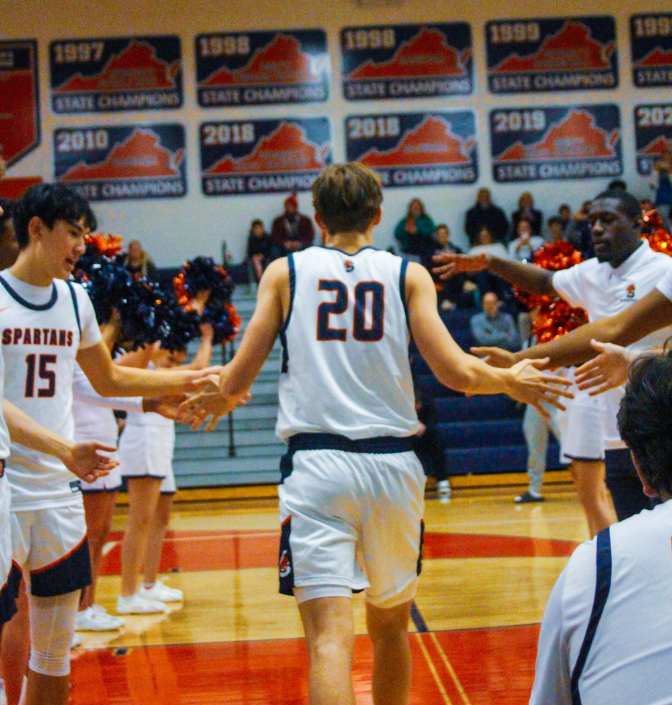
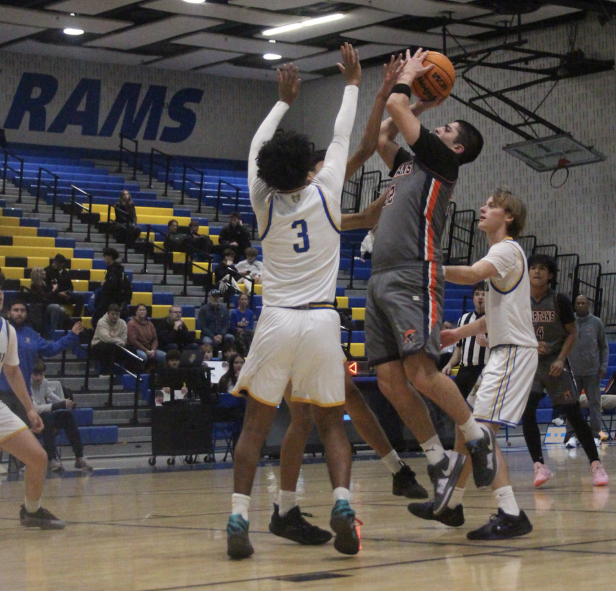
Being a JV and freshman athlete is an important part of personal and athletic growth. This stage is where players begin to understand the demands of high school sports and adjust to a faster and more competitive environment. Even though freshmen and JV athletes may not get as much recognition as varsity players, this level plays a major role in long term development and future success.
One of the biggest areas of growth at the JV and freshman level is skill development. Players work on fundamentals such as footwork, conditioning, and game awareness. Coaches focus on teaching the basics and helping athletes improve their weaknesses. This allows players to build confidence and improve steadily throughout the season. Repetition and practice at this level allows athletes to grow at their own pace while building confidence and consistency.
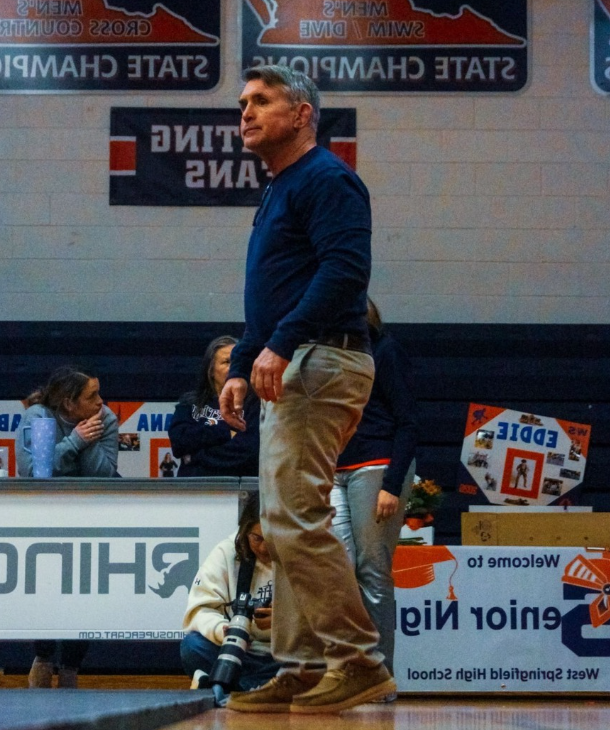
“Playing at the younger levels gives players the opportunity to learn the culture of the program without as much pressure. They are able to make mistakes and grow while building that confidence that may help them make it to the varsity level,” said Terry Henderson, WS Varsity basketball coach.
Another important part of being a JV or freshman athlete is learning discipline and responsibility. Athletes are expected to show up on time, follow team rules, and balance school with sports. These expectations help players develop strong habits that will benefit them not just in athletics but also sportsmanship and build good character.
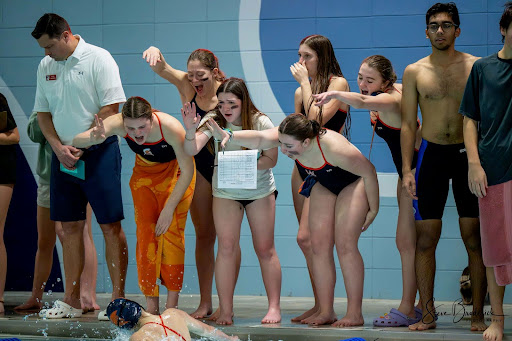
Teamwork is also heavily emphasized at this level. Freshman and JV athletes learn how to communicate, support teammates, and put the team before themselves. Many players come from different middle schools, so this experience helps them build connections and learn how to work with new people.
“There are certain demands that come with being a high school athlete on and off the court. Communication is a must. Teamwork is a must. When you have 13-15 players that all have different schedules and backgrounds, you must learn to work together and communicate quickly,” said Henderson. “Basketball is a team sport and if the players don’t learn to work together as one unit, you will not be successful.”
Mental growth is another major thing to consider. Younger athletes often face challenges such as limited playing time, tough competition, and making mistakes in games. These experiences teach resilience and help players learn how to stay focused and motivated even when things are difficult. Coach Henderson talks about how mistakes are okay and it’s important to deal and move on from the pressures and mistakes.
“The game of basketball is so fast, so mistakes are inevitable. Learning how to forget mistakes quickly and move on to the next play is what the game is about,” said Henderson.
Overall, JV and freshman sports help shape athletes into more prepared and confident players. The lessons learned during this stage such as hard work, patience, and commitment sets the foundation for future success at the varsity level and beyond.