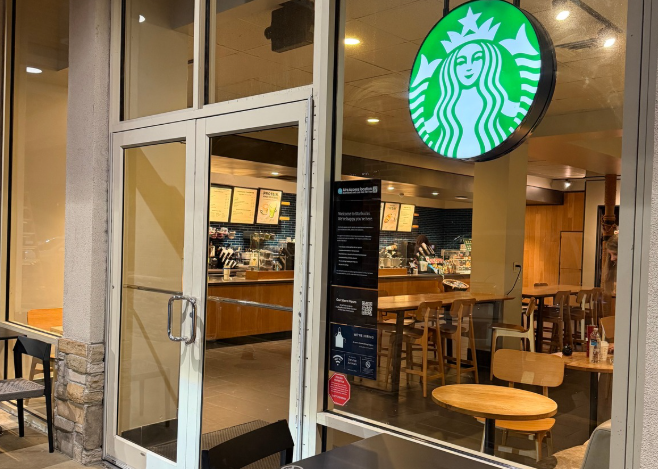
It began almost overnight. A single post turned into thousands, then millions. Hashtags spread, videos circulated, and suddenly one of the most recognizable coffee chains in the world was facing widespread calls for a boycott. Starbucks, a brand deeply woven into daily routines, became the focus of intense scrutiny. What once symbolized convenience and comfort, now sparked debate, raising the question of whether the boycott was just another social media trend or a deeper shift in how people choose where to spend their money.
The rise of the boycott was largely driven by social media. Platforms such as Tiktok and Instagram allowed information, and opinions, to spread rapidly.
Every time an individual scrolled, someone was explaining why they stopped buying their morning latte. Many users talked about ¨voting with their wallet¨ and how even something as simple as choosing a drink could reflect what they stand for. For some, this idea went beyond online reposts and became a real change in how they spent their money.
Sophomore Roqiya Tajzai, said her decision to boycott Starbucks came from what she learned through social media and her own ethical beliefs.
“Ethical concerns played a big role for me, especially when it came to worker pay and treatment,” said Tajzai. “Seeing posts on social media helped me understand why people felt it was important to take a stand.”
For many participants, especially teenagers and young adults, the boycott became more than skipping a drink. It felt symbolic. Refusing to support a major corporation was seen as a way to take a stand, even if the action seemed minor on the surface.
Other participants were motivated by political and ethical concerns. Issues like criticisms over the treatment of low-paid employees, gave the boycott a weight beyond social media trends.
“Ethical concerns were a huge factor for me because I believe everyone deserves basic human rights, and it’s important that my money doesn’t go toward a corporation that goes against my moral values. I still stand by my decision, because companies should be more ethically accountable during humanitarian crises,” said sophomore Roqia Tajzai.
At the height of the boycott, Starbucks locations in some areas appeared less busy, while alternative coffee shops reported an increase in customers. Online, people shared their experiences of changing routines and discovering new places they preferred over large chains.
Bringing coffee from home or supporting local cafes became both a moral choice and a new habit.
“Since boycotting Starbucks, I usually just make coffee at home and buy all the add ons myself. I haven’t discovered any local cafes, but my go to-to routine now is using instant coffee and brewing it at home. It feels different because at Starbucks the baristas did all the work, but it’s worth it. I’ve realized how much cheaper and more convenient it is to make coffee at home instead of buying it everyday,” said sophomore Natalie Hsu.
However, as weeks turned into months, the energy surrounding the boycott began to shift. Critics questioned its longevity, pointing out that Starbucks remains one of the most profitable coffee companies in the world.
“I think the boycott was strong at first, but once social media stopped talking about it, people slowly went back to Starbucks because it’s convenient,” said sophomore Sakina Butt.
Still, the effectiveness of a boycott cannot always be measured solely by sales. However, there are measurable signs of pressure in the U.S., Starbucks’ largest market. In early 2025, the company reported that U.S. same-store sales declined about 4% , and later in the year Northern American comparable sales fell roughly 2%, with flat U.S. sales in the quarter after. These figures reflect weakening performance at a time when some consumers were actively choosing alternatives.
Beyond numbers, one of the most significant impacts of the boycott was the conversation it created. It encouraged people to think critically about corporate influence, ethical responsibility, and the power consumers hold. Even those who did not fully commit were exposed to new perspectives.
The boycott also highlighted a common challenge in modern activism. Social media makes it easy to mobilize people quickly, but sustaining action requires long term dedication.
For some, convenience eventually outweighed commitment. Starbucks locations are widespread, familiar, and easily accessible, making it difficult for many consumers to permanently change their habits.
“At first, it was easy to avoid Starbucks, but over time it got harder because it’s everywhere. When you’re busy or in a rush, convenience matters, and Starbucks is familiar and quick. Even if you agree with the boycott, sticking to it long term takes more effort than people expect,” said Butt.
Despite this, others argue that the boycott’s influence continues quietly. Some people now make more intentional choices, even when they do not avoid Starbucks entirely. The movement planted awareness, prompting consumers to think twice before making purchases and to question the values of the companies they support.