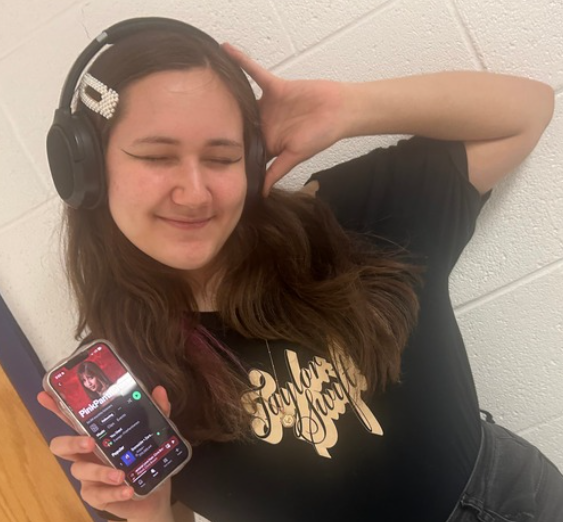

Starting off the school year, the state of Virginia instituted some new policies. One of those policies is the phone policy, which prohibits the use of phones throughout the school day with only lunch as an exception.
“I like it for the most part,” said sophomore Olivia Byrd. “It gets people interacting with each other during breaks, and also talking more during class discussions.”
West Springfield High School students have a variety of opinions, including thinking the rules are extreme or unnecessary in certain situations.
“I feel like it’s doing too much. I can’t even use my headphones in class or check notifications during passing periods, which upsets me because I’m so used to that,” said sophomore Joseph Landon.
Teachers have more optimistic and supportive views on the policy due to the constant use of phones and headphones in their classes during past school years.
“We should have implemented this many many years ago. I think it’s perfect,” said Spanish teacher Mary Emerson. “During clubs, I see students talk more and limit their phone use even though they are allowed phones past school hours, and it’s great.”
WSHS has also established punishments for being caught with your phone such as detention, a call home, or even not being allowed to physically have your phone in the school building for 20 days.
“I think that they’re too harsh. If you get your phone taken twice, I don’t think that should be a detention because, if you’re on a sports team, you can be kicked off, which I think is unfair,” said Landon.
Another problem could be the natural habit of students taking their phone out in the halls or when they get to class. In the beginning of the year, this can be a struggle for many that take out their phone by accident and get in trouble for it.
“They only have one warning and then they give out detention. I feel like taking away your phone three times would get you detention or a little bit more, because people are so used to having their phones out,” said Byrd.
Even some private schools in the U.S. are establishing their own ways to limit the distractions of phones in classrooms.
“Now, in private schools, what they’re paying for is essentially human contact with little to no electronics, almost completely tech free for the students,” said English teacher Katie Newman.
The phone policy is quite simple: telling the students of WSHS to keep their phones away throughout the day and only have it out during lunch. However, some students may still struggle with the self control necessary to keep their phones away.
“I feel like there’s also a life skill in being able to put down your phone,” said Newman. “For me, I have to self regulate when to put this down, like when is it appropriate to have it out and when is it not.”
The policy might help when it comes to normal classes, but phone-heavy classes such as leadership, yearbook, and even journalism can be held back or limited to what they can do now without the use of personal devices.
“It’s hard for me to do a lot of stuff for the yearbook now. I can’t get interviews and take pictures as easily, and a lot of the material I need is on my phone,” said junior yearbook student Samuel Graham. “If I can’t do most stuff until after school when I have my phone, it almost defeats the purpose of a yearbook period.”
With the phone policy having a major impact this early in the school year, WSHS students and faculty can only wonder how it will affect the years to come.